
Introduction
Let’s say you’ve got a shipment ready to go. Maybe it’s 200 units of a product you’re importing from overseas, or a batch of goods heading to a wholesale buyer on the other side of the country. You call a freight forwarder and they quote you a full container. You do the math — and it doesn’t add up. You don’t have nearly enough cargo to fill it, but you’re being priced like you do.
This is exactly where most small business owners either overpay or give up on ocean freight entirely and default to air — which costs even more.
There’s a better option. It’s called LCL shipping, and if you’re running a small business in the US that imports or exports goods, it might be the most useful logistics term you learn this year.
What Does LCL Actually Mean?
LCL stands for Less than Container Load.
Here’s the simple version: instead of booking an entire shipping container for yourself, you share that container with other shippers. Everyone puts their cargo in, everyone pays for the space they actually use, and the container moves as one unit to its destination.
The opposite of LCL is FCL — Full Container Load — where one business books and fills the entire container themselves.
Think of it like this. FCL is like renting an entire moving truck. LCL is like using a shared moving service where three or four households split the truck and each pays their portion. Same truck. Same destination. Fraction of the cost per household.
For small businesses that don’t have the volume to fill a full container — which is most small businesses — LCL is the more logical choice. The problem is, most people don’t know it exists or don’t know how to access it.
How LCL Shipping Actually Works
When you book an LCL shipment, here’s what happens behind the scenes:
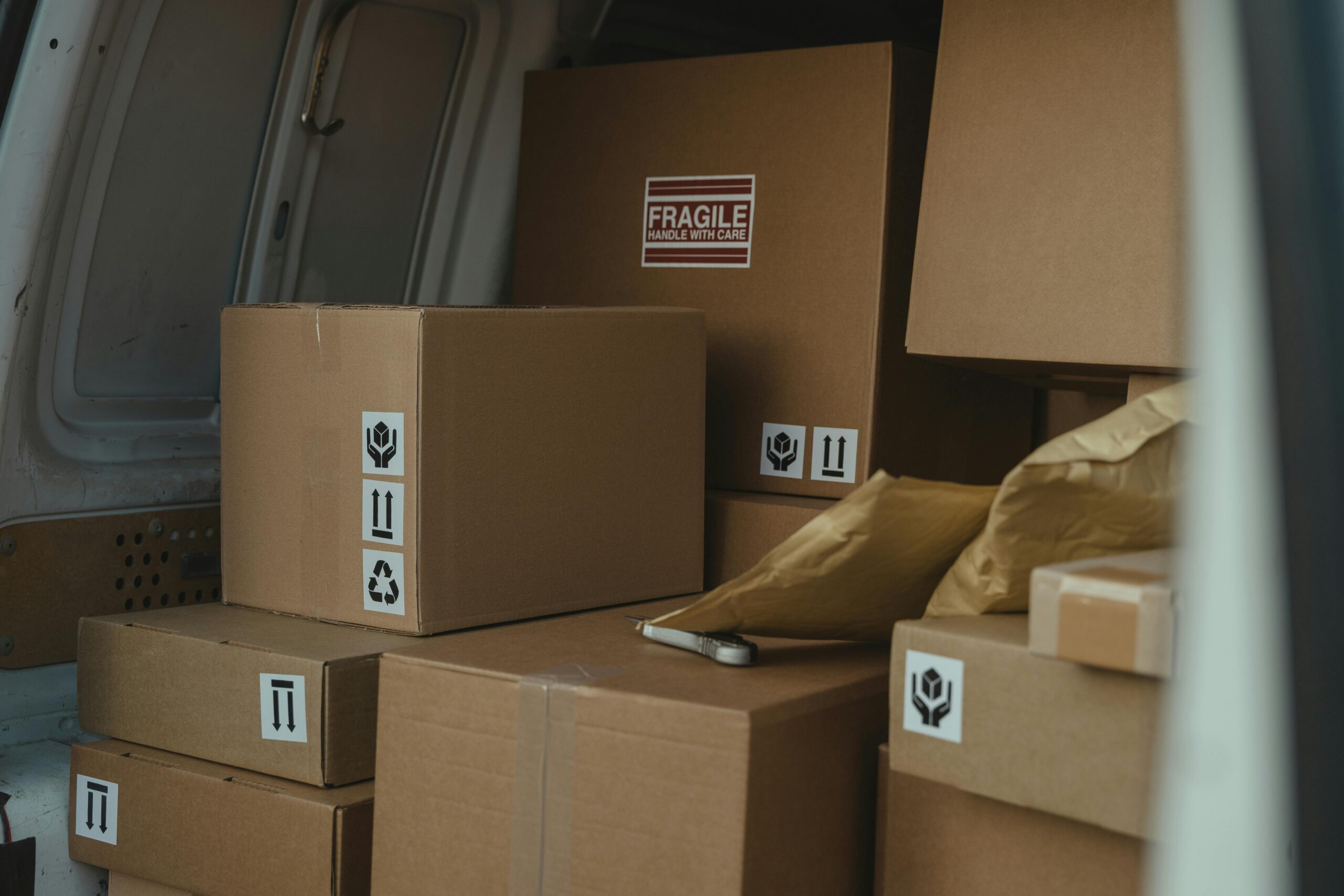
A freight forwarder or consolidator collects cargo from multiple shippers heading to the same destination. They pack everything into one container — your boxes alongside other businesses’ goods, each clearly labeled and separated. The container then moves by ocean to the destination port, where it’s unpacked and each shipment is distributed to its respective receiver.
The entity managing this process is called an NVOCC — a Non-Vessel Operating Common Carrier. They’re essentially the middlemen who make LCL possible by consolidating multiple small shipments into full containers and negotiating bulk rates with shipping lines.
You don’t need to understand all the mechanics. What matters is that the system works, it’s widely available, and US small businesses use it every day.
Why Small Businesses Should Seriously Consider LCL in 2026
You Only Pay for What You Use
With FCL, you pay for a full 20-foot or 40-foot container whether it’s full or half-empty. With LCL, your cost is calculated by CBM — cubic meter — based on the actual volume your cargo occupies. Ship less, pay less. It’s that straightforward.
Lower Entry Point for International Shipping
A lot of small business owners assume ocean freight is only for big importers moving massive volumes. LCL changes that completely. You can ship as little as one or two CBM and still access competitive ocean freight rates. This opens up international sourcing and exporting to businesses that previously thought they couldn’t afford it.
It’s More Affordable Than Air Freight
Air freight is fast — but it’s expensive. On average, ocean freight costs a fraction of what air freight does for the same cargo weight and volume. For non-urgent shipments, there’s almost no financial argument for choosing air over LCL ocean freight. The savings can be redirected straight back into your business.
Ideal for Regular Restocking
If you’re importing inventory on a regular cycle — monthly or quarterly restocking from overseas suppliers — LCL fits naturally into that rhythm. You ship what you need, when you need it, without waiting to accumulate enough cargo to justify a full container.
Where LCL Makes Less Sense
To be fair, LCL isn’t always the right call.
If your cargo volume has grown to the point where you’re regularly shipping close to a full container, FCL will likely work out cheaper per CBM. The crossover point is usually around 15 CBM — beyond that, FCL rates often become more competitive.
LCL also has slightly longer transit times because of the consolidation and deconsolidation process at each end. If timing is critical, factor that in.
And if you’re shipping fragile or high-value goods, sharing a container means your cargo is handled more frequently — at origin, at the consolidation point, and at destination. Proper packaging and adequate cargo insurance matter more with LCL.
How to Book an LCL Shipment in the US
The process is simpler than most people expect:
1. Get quotes from freight forwarders — platforms like Freightos let you compare LCL rates quickly without making phone calls. Look for forwarders experienced in your specific trade lane.
2. Prepare your cargo details — you’ll need the dimensions and weight of your shipment, the origin and destination, and a description of the goods. The forwarder calculates your CBM from there.
3. Book and prepare your documentation — standard ocean freight documents apply: commercial invoice, packing list, and bill of lading. Your forwarder will guide you through this.
4. Drop off or arrange pickup — your cargo goes to the forwarder’s consolidation warehouse, where it’s packed into the shared container with other shipments.
5. Track and receive — once the container departs, you’ll receive tracking updates. At destination, your cargo is deconsolidated and delivered or made available for pickup.
Bottom Line
LCL shipping isn’t a workaround or a compromise. For small businesses that don’t have the volume for a full container, it’s simply the smarter way to move goods internationally.
You get access to ocean freight rates, you pay only for what you use, and you stop leaving money on the table by defaulting to air freight for everything.
In 2026, with freight costs still a pressure point for small businesses across the US, understanding and using LCL could be one of the most practical financial decisions you make for your operation.
Start with one shipment. Compare the cost against what you’ve been paying. The numbers will make the case for you.
Follow WordCarriage for straight-talk on logistics, global trade, and running a smarter business.

One Comment on “What Is LCL Shipping and Why Small Businesses Should Use It in 2026”